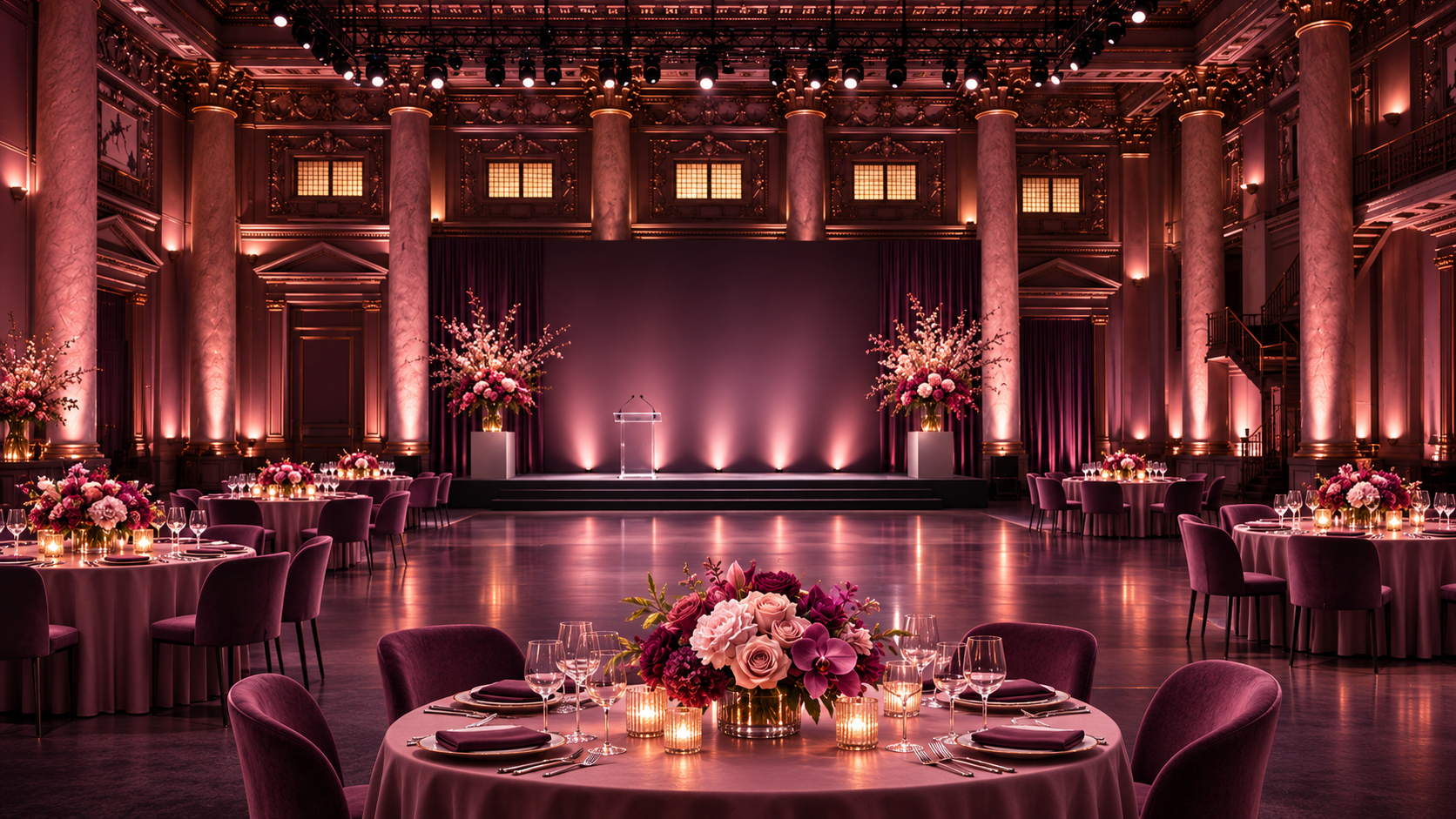
The five questions that determine whether a room will support your occasion or fight it, and how to answer them before you book.
How to Choose a Luxury Corporate Venue
The most expensive mistake in corporate entertaining is choosing a room that is right in every way except the one that matters. The questions below are the ones a seasoned host answers before requesting a proposal, they cost nothing and prevent most of the failures we see.
First: who is the guest of honor, and what does the room owe them? A senior client expects discretion; a large investor audience expects production value; a board expects formality. The venue's character should answer that question before the host does.
Second: what is the room's natural state at the hour of your event? A venue that is luminous at midday may be forbidding by lamplight; a room that feels intimate at twenty guests may feel thin at forty. Walk the space at the hour you intend to use it.
Third: what does the room already say, and can you live with it? A venue with a strong architectural personality is either an asset or a constraint; the question is whether the room extends your brand or competes with it.
Fourth: what are the operational limits, entry, acoustics, kitchen, and power? These determine what is possible more than the square footage. A beautiful room with a single narrow entrance is the wrong choice for a large reception, however well it photographs.
Fifth: what is the room's history with your kind of event? A venue that hosts your format weekly will execute it better than one that is flattered by the booking. Discretion, in particular, is a habit, not a feature.
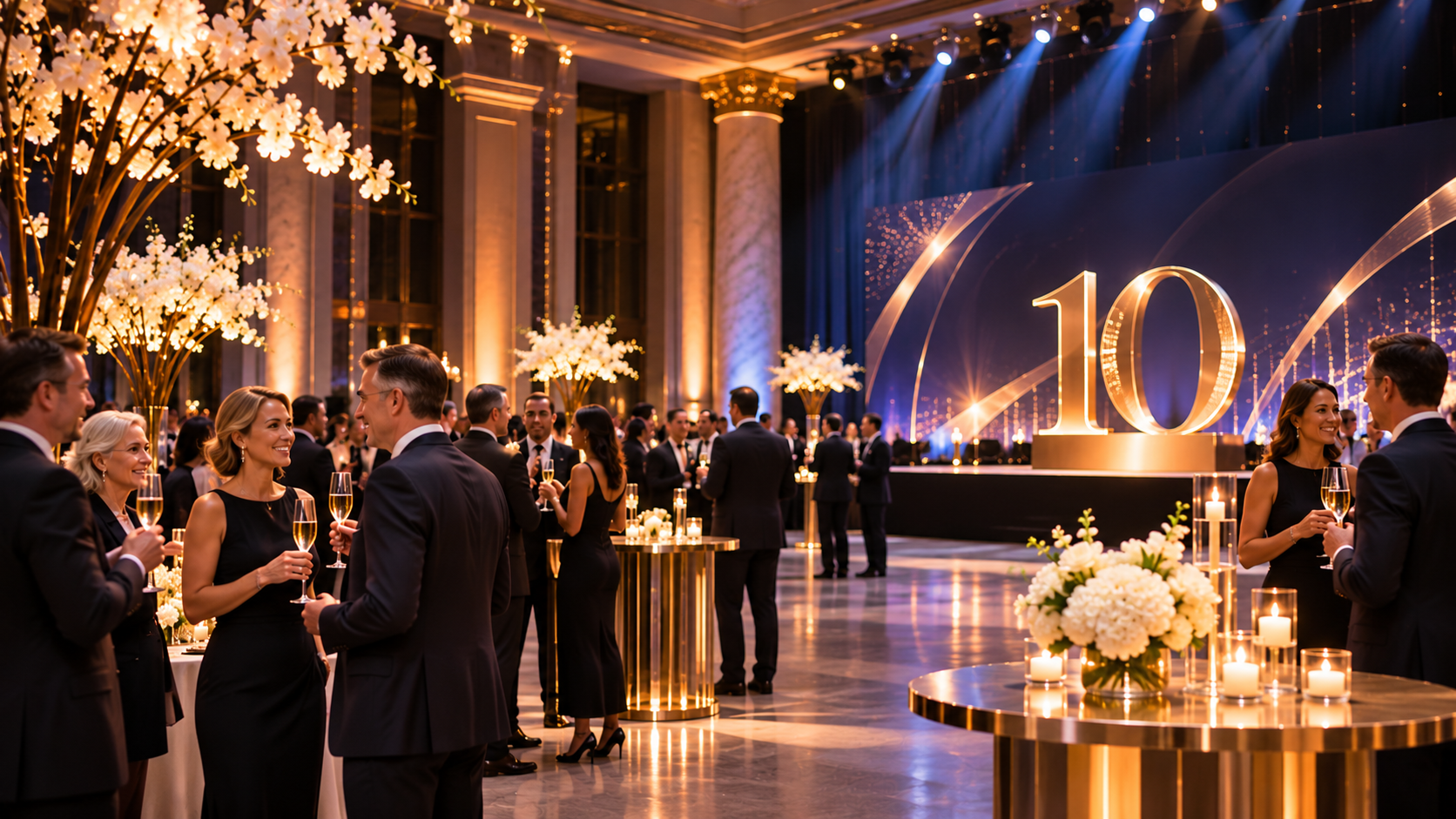
The essentials, in brief
- Begin with the guest of honor and what the room owes them before any other question.
- Walk the venue at the hour of your event; light and sound change with the day.
- Confirm the operational limits, entry, acoustics, kitchen, and power, before the aesthetics.
- Choose a venue whose discretion is a habit, not a feature it advertises.
A closing note
The questions in this article cost nothing to answer and prevent most of the failures a considered host encounters. Begin with them, and the venue follows.
The venue as the frame, not the content
A luxury corporate event succeeds when the venue serves the occasion rather than announcing itself. The room, the food, and the production are the frame; the relationship the event exists to build is the content. When the frame competes with the content, the event is merely expensive; when the frame supports it, the event is luxury.
The discipline is to choose a room you can shape rather than one with a personality you must overcome. A venue with a strong architectural character is either an asset or a constraint, and the question is whether the room extends your brand or fights it. The failure mode is spectacle that eclipses the purpose.
- Treat the venue as the frame and the relationship as the content.
- Choose a room you can shape rather than one whose personality you must overcome.
- Restraint in the room lets the occasion read as considered rather than bought.
- If the room competes with the relationship, no menu can recover the evening.
Discretion and the guest of honor
Discretion is the luxury senior guests value most and that the least-luxury venues most often lack. It is the absence of observation, no shared corridors, no curious staff, no overlooked rooms. For the host, discretion is a brief and a venue choice, in that order: brief the staff on the principle, choose a room that supports it, and the rest follows.
Discretion imposed on a venue that does not naturally offer it is a constant effort; discretion chosen through venue selection is effortless. The venue that hosts your kind of event regularly has discretion as a habit, and that habit is worth more than any feature the room can advertise.
- Discretion is a venue choice first and a briefing second.
- Confirm a private entrance and sightlines that cannot be observed.
- A venue that hosts your format regularly has discretion as a habit.
- Discretion chosen through venue selection is effortless, not a constant effort.
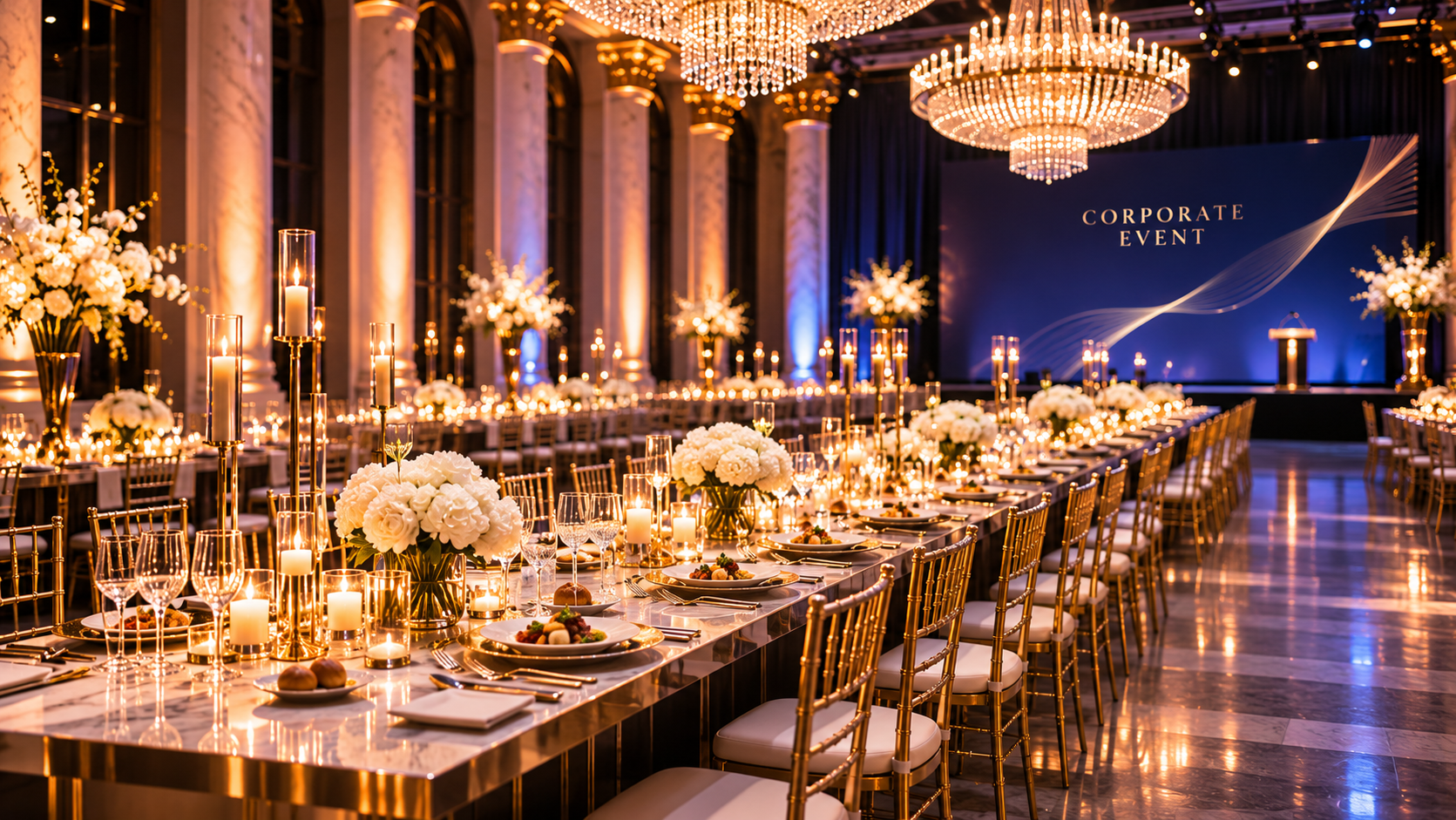
Pacing and the host's attention
The host's attention is the evening's currency and the variable the budget cannot buy. A host who watches the room, draws in the quiet guest, and releases the talkative turns a meal into an occasion. A host who is distracted, however good the room, has given the evening away. Plan the host's role as deliberately as the menu.
Pacing is the courtesy that lets the conversation breathe. A dinner paced in advance with the kitchen, not at the table, holds the room's tempo and respects the guest's time. The pace is set before the first guest sits down, and the host signals the kitchen discreetly through the evening.
- The host's attention is the variable the budget cannot buy.
- Pace the evening in advance with the kitchen, never at the table.
- Draw in the quiet guest and release the talkative to balance the room.
- A distracted host has given the evening away, however good the room.
The close and the morning after
The event's last impression is the close and the morning after. A composed close, a last course, a quiet farewell, a prepared departure, lets the occasion land rather than dissolve. The car that is waiting and the hand at the door are the last ninety seconds the guest carries home.
The morning-after note closes the evening for the guest of honor and signals that the host's attention did not end at the door. For senior guests, a handwritten note outperforms an email; for larger groups, a considered email that references the conversation is sufficient. Plan the closing as deliberately as the opening.
- Close the evening decisively, not by winding down.
- The morning-after note is often the impression that lands most.
- Plan the closing with the same care as the opening.
- For senior guests, a handwritten note outperforms an email.