The New York Standard
Luxury Corporate Events, NYC
A strategic overview of what separates a considered luxury corporate event in New York from a routine booking.
New York sets the tempo for corporate entertaining. The city's density of landmark venues, Michelin-adjacent dining rooms, and discreet private clubs creates more possibility than any other market, and more opportunity to get it wrong. Our NYC area guide frames the geography that shapes every booking here.
A luxury corporate event in NYC is less a question of square footage than of choreography: the right room, the right hour, and a sequence of details that reads as effortless to the guest. This guide establishes the framework that our individual event-type pages, from executive dinner venues to VIP corporate event venues, build upon.
The Audience
Corporate leadership teams, boards, and executive offices hosting clients or stakeholders in New York.
Discuss This Event TypeIdeal Ambiance
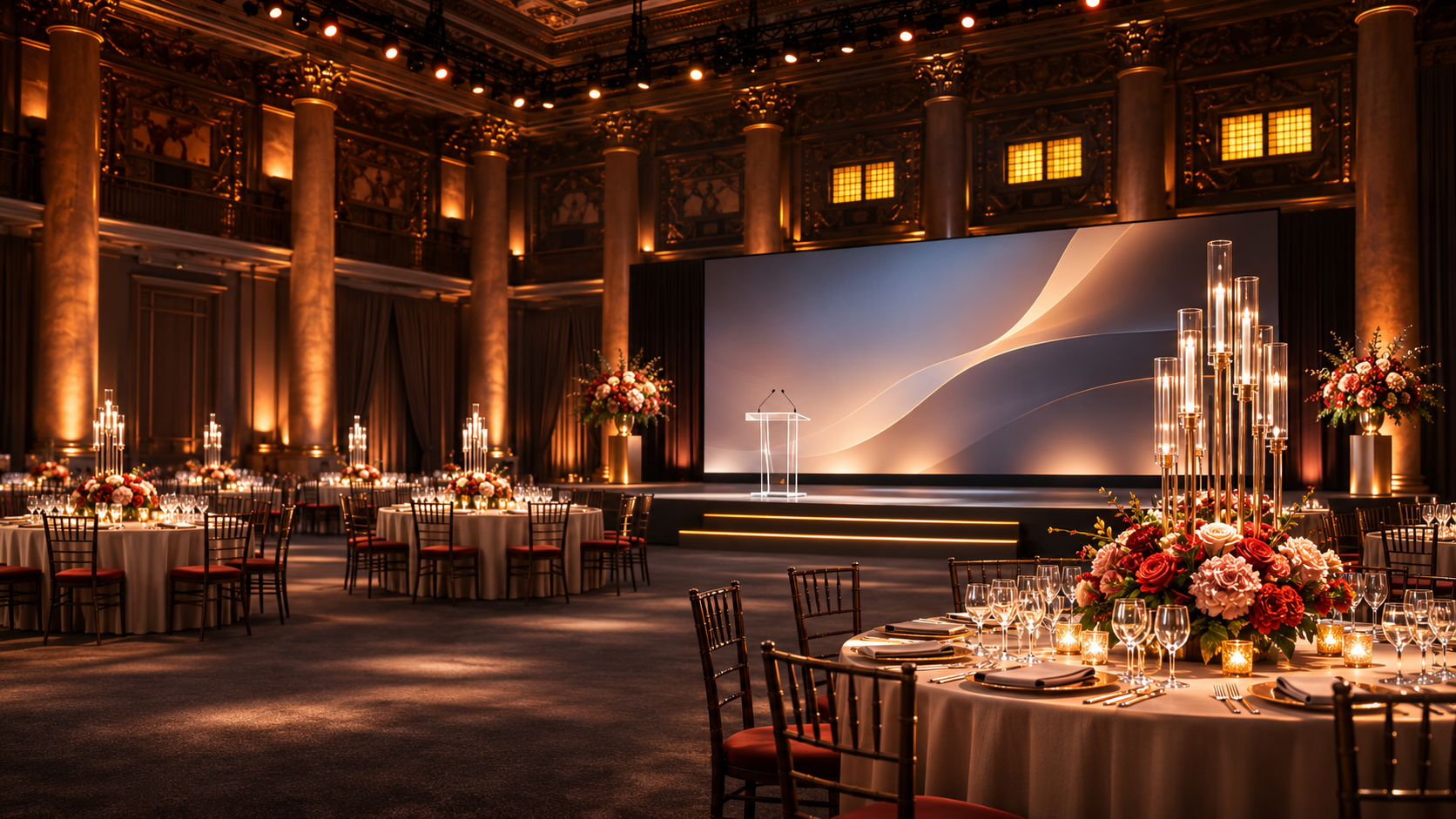
Refined restraint. The best New York corporate venues trade spectacle for confidence, considered lighting, warm materials, and an acoustic profile that lets conversation carry without strain.
Hospitality Needs
What the room owes the guest
- A dedicated host or concierge point of contact from arrival through departure.
- Coat, valet, and arrival sequencing planned so no guest waits.
- Pre-poured arrivals and a beverage program tuned to the guest list.
- Staffing ratios that allow attentive service without intrusion.
Guest Experience
The impression that lasts
- A brief, warm arrival with no queue at the door.
- Wayfinding that makes a large venue feel intimate.
- Transitions between reception and seated moments handled with intention.
Privacy Requirements
Discretion by design
Seek rooms with a dedicated entrance, a private anteroom, and staff briefed on confidentiality. For senior leadership, a separate arrival route is worth more than a larger room, a principle we develop in the VIP guest experience guide.
Catering Considerations
The menu in service
Tasting-driven menus that respect dietary requirements without making them visible. Beverage pairing should be discussed at the proposal stage, not assumed, and the luxury corporate event budget guide explains why the food and beverage minimum sets the floor before the menu does.
Seating Formats
Formats that suit the occasion
Reception
Standing with low cocktail tables; encourages circulation for larger lists.
Seated dinner
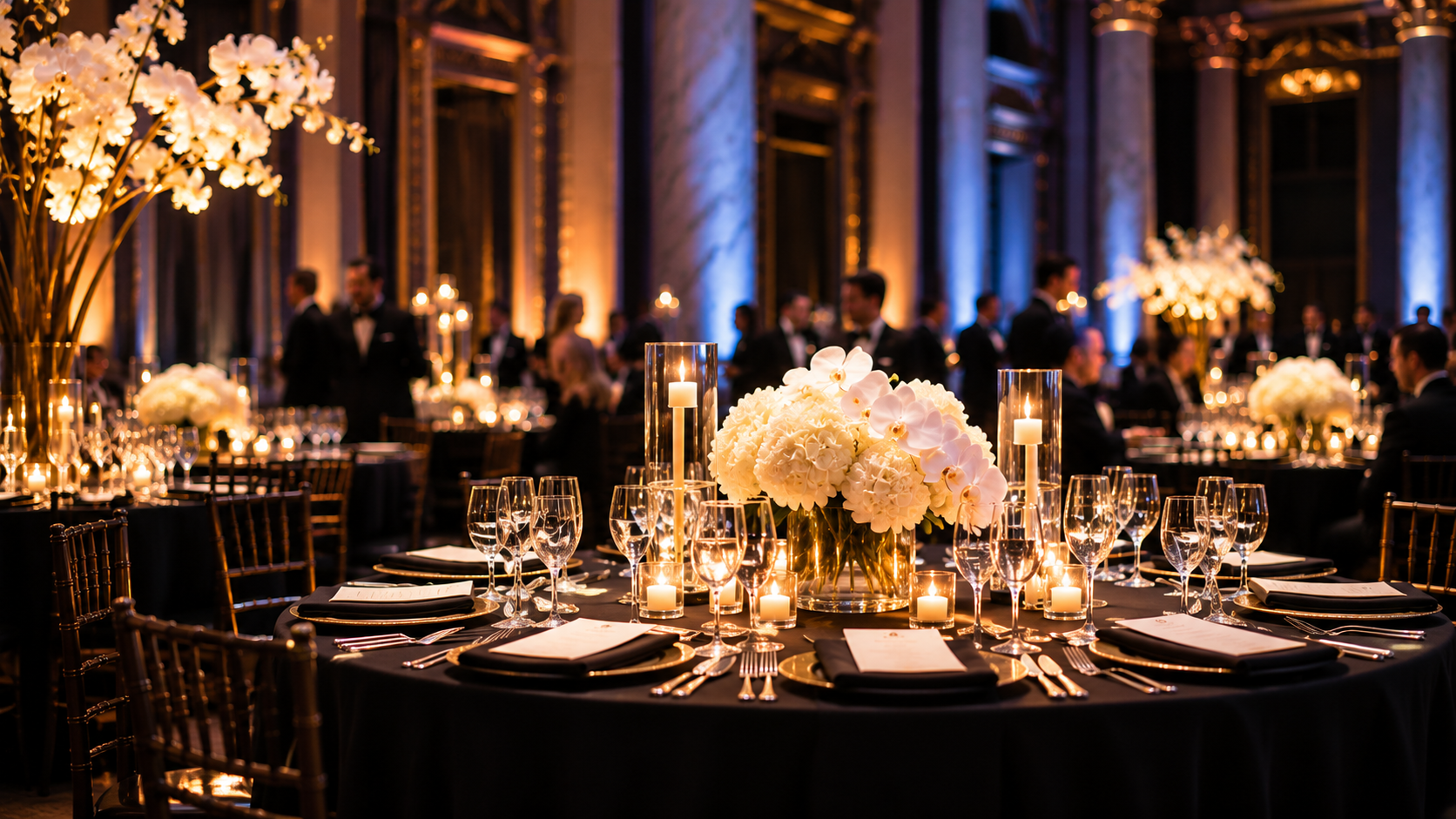
Round tables of eight to ten for conversation; long banquet for formality.
Lounge
Grouped seating for small, senior gatherings where conversation is the point.
Planning Tips
From the host's brief
Reserve the calendar first; the venue follows the date, not the reverse, as our executive event planning guide makes plain.
Brief the venue on the guest profile before requesting a proposal.
Confirm F&B minimums and any room rental before committing.
Walk the space at the hour of your event to judge light and sound.
A host's final checklist
- Hold the date before you hold the venue; prime NYC inventory books months ahead.
- Name the guest of honor before you name the room; the occasion shapes the venue.
- Confirm the food and beverage minimum and any room rental in writing.
- Walk the space at the hour of your event to judge light and sound honestly.
Before you sign
Confirm exclusivity, staffing ratios, and the operational line items in writing. The contract is where the occasion's discretion and pacing are protected.
The New York Standard, In Depth
What defines a luxury corporate event in New York City
New York is the most demanding corporate entertaining market in the country, and the standard it sets is the one a considered host must meet. This section breaks down the decisions that separate a luxury corporate event in NYC from a routine booking, from the geography that shapes the room to the hospitality that defines the evening.
The geography of a New York corporate event
The first decision in a New York corporate event is geographic, and it is the one hosts most often overlook. Manhattan concentrates the market, but the island's neighborhoods differ enough that the wrong address can quietly undermine the evening. A venue in the Financial District serves a different guest profile than one in Tribeca or on the Upper East Side, and the choice should follow the guest list, not the room.
For executive guests traveling in, proximity to their hotel is the single greatest logistics improvement available. A venue within a short walk or a brief car ride elevates the evening more than a grander room across town, and it is the consideration that most often separates an effortless arrival from a delayed one. Our Manhattan area guide frames the trade-offs, while the individual neighborhood pages treat the texture of each.
- Match the neighborhood to the guest profile, not to the room's reputation.
- Proximity to guest lodging matters more than venue grandeur in Manhattan.
- Cross-town traffic is a planning variable, not a detail to be absorbed.
- Confirm the venue's history with your event format before committing.
Downtown versus Midtown
Midtown serves the boardroom and the landmark hotel; Downtown serves the contemporary and the discreet. The choice is tonal as much as logistical, and it should answer the question of what the room already says before the host adds to it.
The single-neighborhood approach
Where possible, keep the venue, the lodging, and any pre- or post-event gathering within one neighborhood. The friction a host removes is the friction a guest never feels, and in New York that friction is the difference between an occasion that flows and one that fragments.
Hospitality as the defining detail
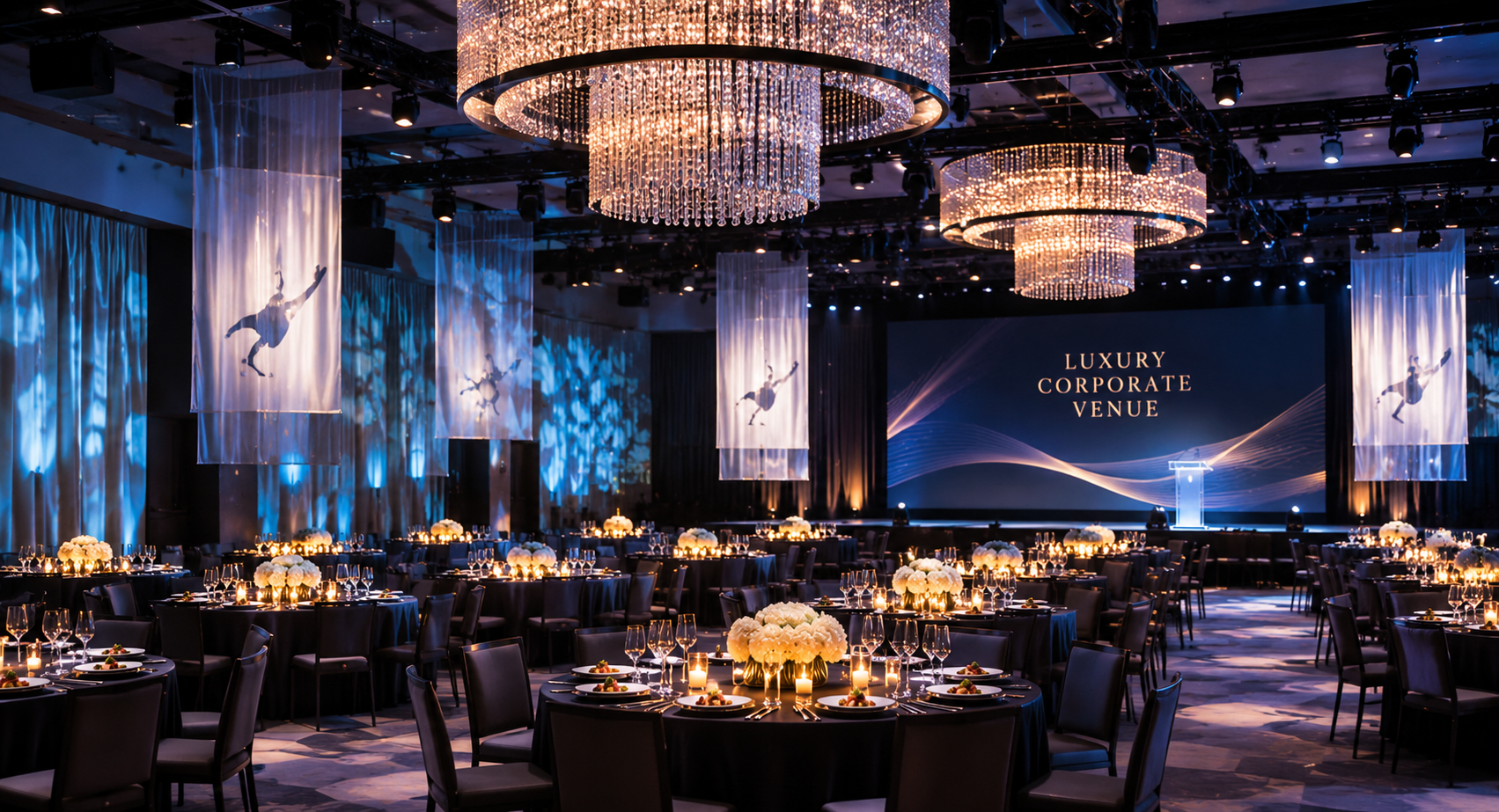
In New York, hospitality is the detail that separates the luxury event from the expensive one. The city's venues range widely in their service culture, and a room with a strong architectural personality but a weak service floor will betray the occasion no matter how well it photographs. The questions to ask a venue concern staffing ratios, arrival sequencing, and the dedicated point of contact who will own the evening from arrival through departure.
A dedicated host or concierge is the standard at the level we describe, and the absence of one is the first warning sign. The beverage program should be discussed at the proposal stage, not assumed, and the staffing ratio should allow attentive service without intrusion, the quality the guest feels only in its absence.
- A dedicated point of contact from arrival through departure is the standard, not a luxury.
- Discuss the beverage program at the proposal stage, never assume it.
- Staffing ratios should allow attentive service without intrusion.
- The guest feels hospitality only in its absence, so the standard is invisibility.
Planning the Occasion
How to brief a New York venue for a luxury corporate event
The brief is where the luxury event is won or lost. A venue briefed on the guest profile, the purpose, and the standard of discretion will execute to it; a venue briefed only on the headcount will execute to its default. This section sets out the brief that produces a considered occasion.
The guest profile brief
Brief the venue on who is attending before you request a proposal. The guest profile determines the room, the format, the tone, and the standard of discretion, and a venue that understands it will shape its offer accordingly. A senior client audience expects discretion and a considered pace; a large investor audience expects production value and a clear program; a board expects formality and a room that holds it.
The brief should name the guest of honor, the purpose of the evening, and the impression the host intends to make. These three sentences do more to shape the venue's proposal than any specification of menu or square footage, and they are the ones most often omitted.
- Brief the venue on the guest profile before requesting a proposal.
- Name the guest of honor, the purpose, and the intended impression.
- A senior client expects discretion; a large audience expects production value.
- The guest profile brief shapes the proposal more than menu or square footage.
The budget and the minimum
Confirm the food-and-beverage minimum and any room rental before committing. The minimum is the floor of the budget, and understanding it before the menu is designed prevents the most common budget surprise. Our luxury corporate event budget guide treats the structure of the budget in detail, but the principle is simple: the minimum sets the floor before the menu does.
Ask the venue what the minimum includes and what it excludes, and whether the minimum rises on prime dates. A venue that is transparent about its minimum is one that will be transparent about the rest; a venue that is vague about it is a warning sign.
- Confirm the food and beverage minimum before designing the menu.
- The minimum is the floor of the budget; understand it first.
- Ask what the minimum includes and excludes, and whether it rises on prime dates.
- Transparency about the minimum signals transparency about the rest.
Walking the room at the hour of the event
Before you commit, walk the space at the hour you intend to use it. A room luminous at midday may be forbidding by lamplight, and a room intimate at twenty guests may feel thin at forty. The visit costs nothing and prevents the most expensive mistake in corporate entertaining.
Frequently Asked Questions
Luxury Corporate Events, NYC, questions executive hosts ask
The detail that distinguishes a considered occasion from a routine one. These are the questions our advisors are asked most often.
Still planning your occasion? Request a private event proposal.
Continue Reading
Related event types & guides
Begin the Conversation
Request a Private Event Proposal
Tell us about the occasion, the guest of honor, and the impression you intend to make. We will respond with considered guidance on venue selection, hospitality, and the sequence of a luxury corporate event.