The Art of the Room
Executive Networking Receptions, NYC
Engineering the conditions for meaningful senior networking, flow, density, and the unspoken rules of a good room.
A networking reception fails when the room is too large or too crowded, when the program interrupts the talk, or when the wrong people fill the wrong seats. It succeeds when the curation does the work and the format disappears, the principle our luxury corporate events in NYC overview applies to the city as a whole.
For senior audiences the discipline is restraint: a tighter list, a quieter room, and a host who works the floor rather than the microphone. The best networking events feel like a good dinner party that happens to include business, a register the board member receptions format shares.
The Audience
Professional firms, associations, and leadership circles curating rooms where senior people genuinely connect.
Discuss This Event TypeIdeal Ambiance
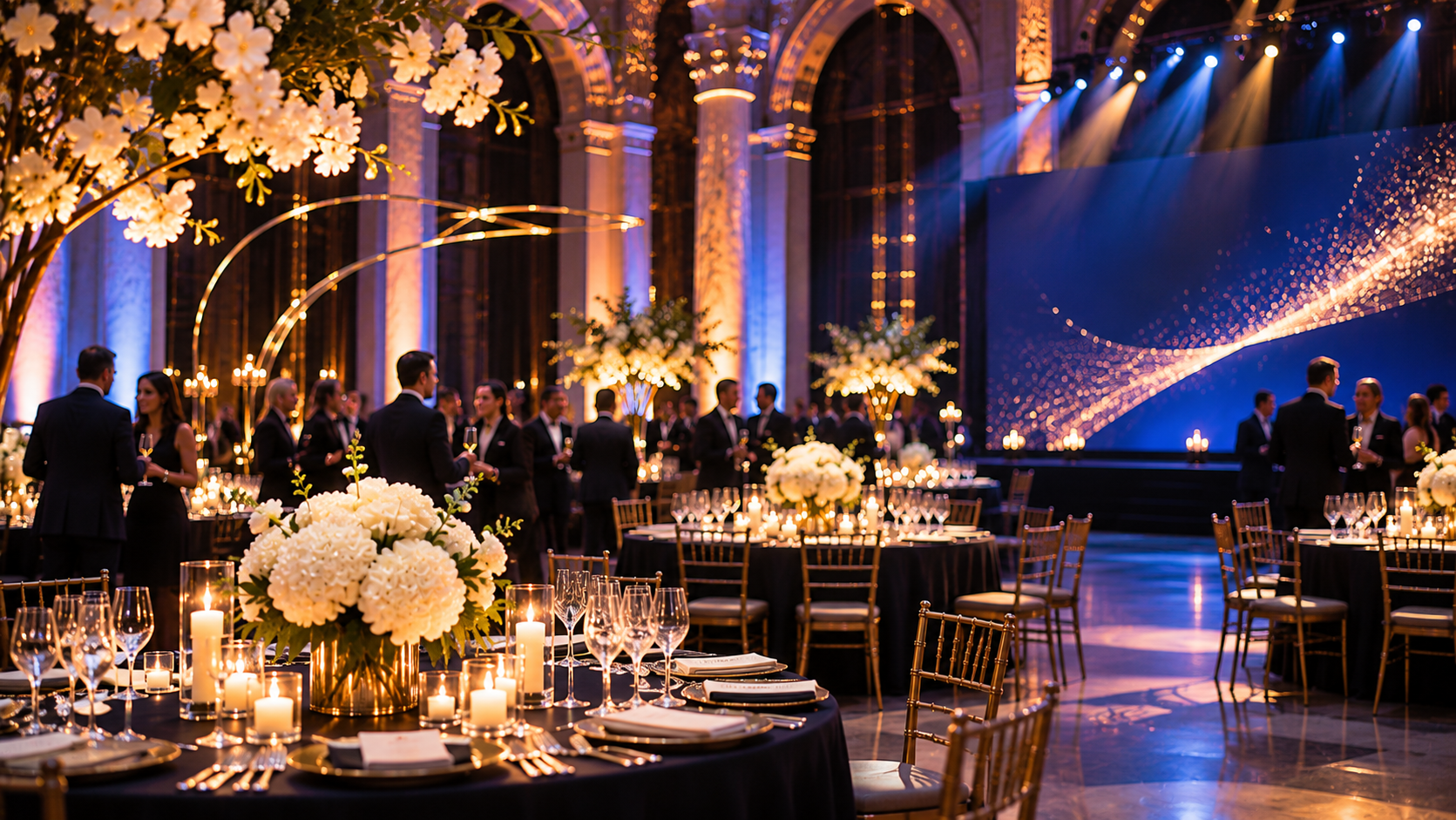
Convivial and contained. Warm light, manageable noise, and a density that encourages introductions without forcing them.
Hospitality Needs
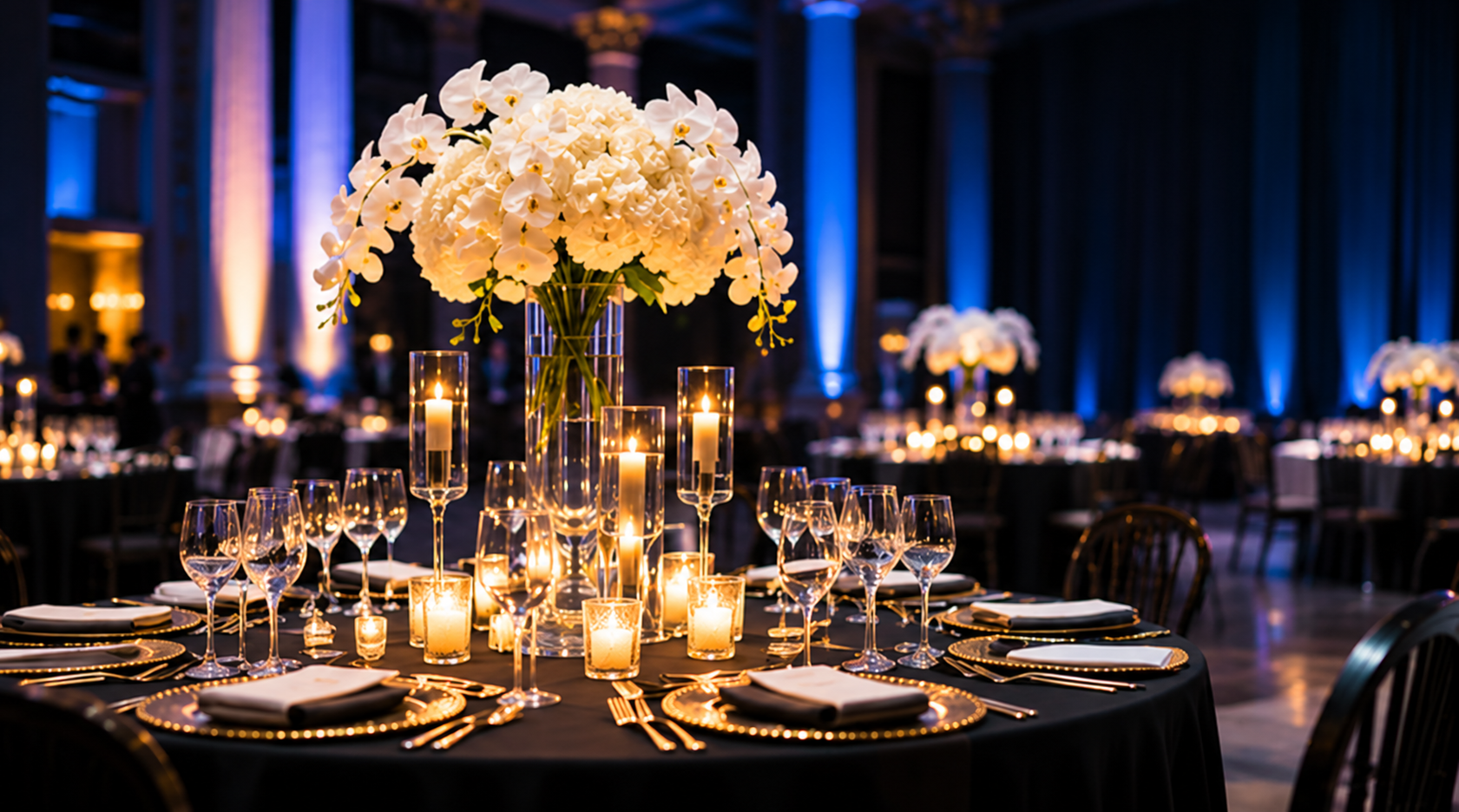
What the room owes the guest
- Hosts briefed to introduce and connect, not merely greet.
- Named badges optional for senior circles, judge by the room.
- Sustained butlers so no guest hunts for a glass.
- A brief welcome, five minutes, then the floor is theirs.
Guest Experience
The impression that lasts
- An arrival that orients and introduces within the first minute.
- Space to circulate and corners to retreat for deeper talk.
- A curated list where most guests have reason to meet.
Privacy Requirements
Discretion by design
Semi-private is often right for networking; the room is the event. Confirm the section is genuinely separated and acoustically contained.
Catering Considerations
The menu in service
Substantial canapés that free guests from the table. Beverage should flow without pressure; a signature pour signals the host's care, and the private event etiquette guide frames the courtesy of pacing such an evening.
Seating Formats
Formats that suit the occasion
Standing
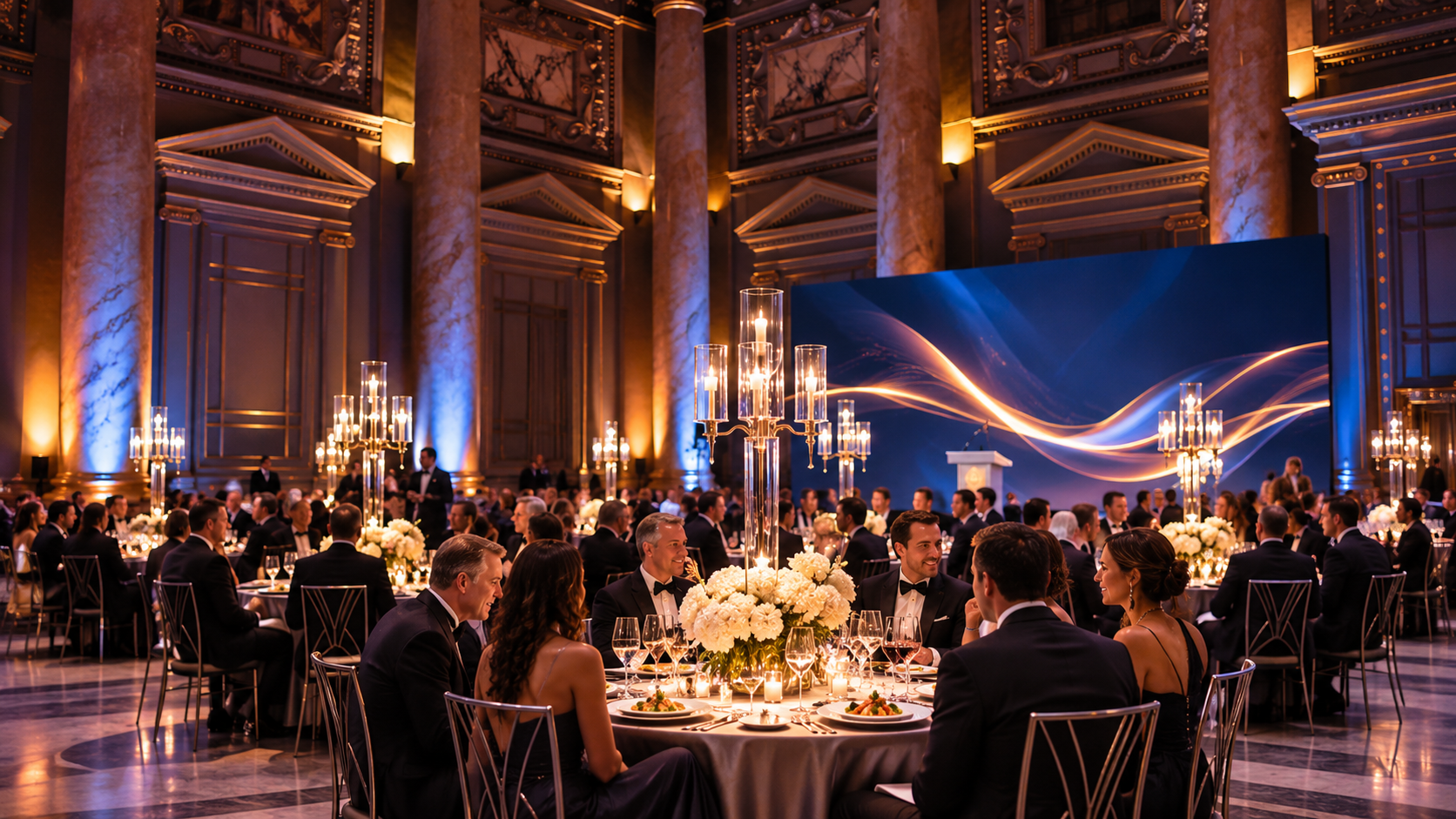
The default; prioritize flow over seating.
Peripheral
Low seating and ledges along the edges for rest.
Salon
A small seated zone for the inevitable deeper conversation.
Planning Tips
From the host's brief
Cap the list to keep the room senior and the talk genuine.
Place the bar to draw guests through the room, not to a corner.
Brief two hosts to connect rather than greet.
Keep any program under five minutes.
A host's final checklist
- Confirm the room's flow against the mingling you want, not the headcount.
- Brief the staff to introduce rather than serve; conversation is the content.
- Verify the acoustics so the room supports talk rather than overwhelms it.
- Walk the space at the hour of your reception to judge circulation.
Before you sign
Confirm the staffing ratio, the beverage minimum, and the room flow in the contract. The reception's purpose is conversation, and the terms protect the room that enables it.
Conversation as the Format, In Depth
Designing an executive networking reception in NYC
An executive networking reception is the format where conversation is the point, and the venue that hosts it must enable connection without forcing it. This section breaks down what makes a New York room right for executive networking, from the layout that encourages meeting to the introductions that give the evening purpose.
The layout that encourages meeting
An executive networking reception venue is chosen for its ability to encourage meeting without forcing it. The layout should allow guests to circulate, to join and leave conversations without awkwardness, and to find the people they came to meet without a search. A room with a single circulation path will concentrate guests at one end; one with multiple paths and a considered placement of bars and stations will distribute them and keep the conversation moving.
The scale of the room matters less than its shape. A long room encourages circulation; a wide room encourages clusters; a room with alcoves or varied zones encourages the small conversations that networking is held to enable. Walk the room and imagine the count, and confirm the layout serves the format rather than fighting it.
- Choose the room for its ability to encourage meeting without forcing it.
- Multiple circulation paths and considered bar placement distribute the guests.
- A long room encourages circulation; alcoves encourage small conversations.
- Walk the room and confirm the layout serves the format rather than fighting it.
The bar and the food as meeting points
The bar and the food stations are the natural meeting points of a reception, and their placement shapes the flow. Place them to draw guests through the room rather than concentrate them at one end, and confirm the bar is staffed to allow a pour without a wait. A queue at the bar is the surest way to stall the conversation the format is held to enable.
The introductions that give the evening purpose
An executive networking reception without introductions is a room of people waiting to be introduced. The host's role is to make the introductions that have reason, connecting the guest who is looking for the guest who is looking for them, and to do so without forcing the connection. The introduction that has reason is the gesture that gives the evening purpose; the introduction that is forced is the gesture that makes the guest wish to leave.
Plan the host's introductions in advance. The host should know which guests should meet, why, and what they share, and should make the introduction with enough context to start the conversation. A host who introduces with reason turns a reception into a network; a host who does not turns it into a crowd.
- A reception without introductions is a room of people waiting to be introduced.
- The host makes the introductions that have reason, without forcing the connection.
- Plan the introductions in advance; know who should meet, why, and what they share.
- A host who introduces with reason turns a reception into a network.
The Reception in Practice
Running an executive networking reception
The success of an executive networking reception is measured by the connections it enables, and the host's discipline is what creates them. This section sets out the decisions a considered host makes to run the reception well.
The first thirty minutes
The first thirty minutes of a reception shape the energy of the evening. A room that is already holding conversation when the guest enters will lift the evening; a room that is empty and waiting will flatten it. Brief the venue to have the bar poured, the music at the right level, and a few guests already in the room when the first arrival appears, which means inviting a small group to arrive early.
The host should be at the door for the first thirty minutes, greeting each guest by name, making the first introduction, and moving the guest into the room with a person to talk to. A guest who is greeted, introduced, and handed a drink within a minute has been received; a guest who is left to find their own way has been processed, and the difference shapes the evening.
- The first thirty minutes shape the energy of the evening.
- A room already holding conversation lifts the evening; an empty room flattens it.
- Invite a small group to arrive early so the room is never empty.
- The host at the door, greeting, introducing, and moving guests in, sets the standard.
The pacing and the close
The pacing of a reception should hold the energy without rushing it. A reception that is too short will end before the connections are made; one that is too long will lose the energy and the guests. Ninety minutes to two hours is the window that serves most executive networking receptions, and the close should be signaled with composure rather than announced.
The close is the host's last act, and it should be deliberate. A brief word that draws the evening to its end, a thanks to the guests, and a clear signal that the reception is concluding are the marks of a host who has held the evening. A reception that ends without a close leaves the guests uncertain; one that closes with composure leaves them with the impression of an evening well held.
- The pacing should hold the energy without rushing it.
- Ninety minutes to two hours serves most executive networking receptions.
- The close should be signaled with composure rather than announced.
- A deliberate close leaves the guests with the impression of an evening well held.
Frequently Asked Questions
Executive Networking Receptions, NYC, questions executive hosts ask
The detail that distinguishes a considered occasion from a routine one. These are the questions our advisors are asked most often.
Still planning your occasion? Request a private event proposal.
Continue Reading
Related event types & guides
Begin the Conversation
Request a Private Event Proposal
Tell us about the occasion, the guest of honor, and the impression you intend to make. We will respond with considered guidance on venue selection, hospitality, and the sequence of a luxury corporate event.