
The Considered Table
Executive Dinner Venues, NYC
How to choose and brief a venue for an executive dinner where the room, the pacing, and the conversation come first.
The executive dinner is the most personal format in corporate entertaining. Done well, it is the setting in which trust is built and decisions are softened. The venue's job is to disappear, and our formal dinner planning guide treats the choreography that lets it.
What matters is not grandeur but control: a room you can shape, a kitchen that will pace to your conversation, and a staff that reads the table. This is where restraint pays the largest dividend, and where the etiquette of the executive dinner is the difference between a meal and an occasion.
The Audience
C-suite hosts entertaining boards, investors, or senior clients over a deliberate, conversation-led meal.
Discuss This Event TypeIdeal Ambiance
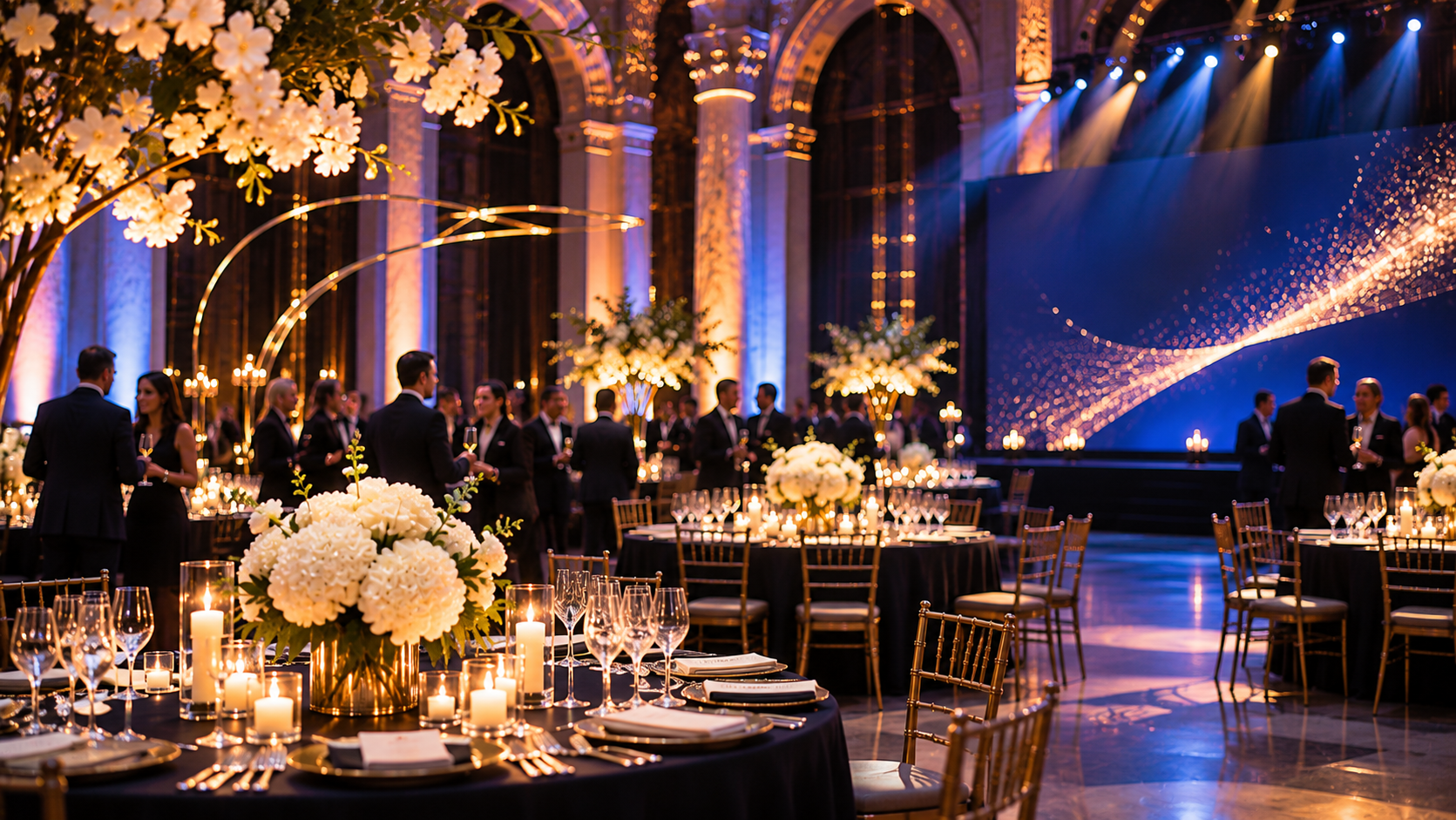
Low light, warm tones, and a hush that signals importance without formality. Candles, linen, and a single floral gesture outperform elaborate production.
Hospitality Needs
What the room owes the guest
- A single point of contact who owns the table for the evening.
- Pre-arrived pour and a paced three- to five-course sequence.
- Discreet timing checks so courses land with the conversation, not against it.
- A quiet settle at the end, no rush to turn the table.
Guest Experience
The impression that lasts
- Guests shown directly to a private room or seated section.
- Dietary preferences handled before arrival, never at the table.
- Name cards and an unobtrusive seating chart for larger parties.
Privacy Requirements
Discretion by design
Insist on a private dining room or a fully sectioned space. For sensitive conversations, a room with a single door and staff you can brief is non-negotiable.
Catering Considerations
The menu in service
A tasting menu, shortened or extended to your timeline, with pairing optional. Brief the chef on the guest of honor and the occasion, context improves the menu, and the private event etiquette guide sets the courtesies the table owes the guest.
Seating Formats
Formats that suit the occasion
Single round
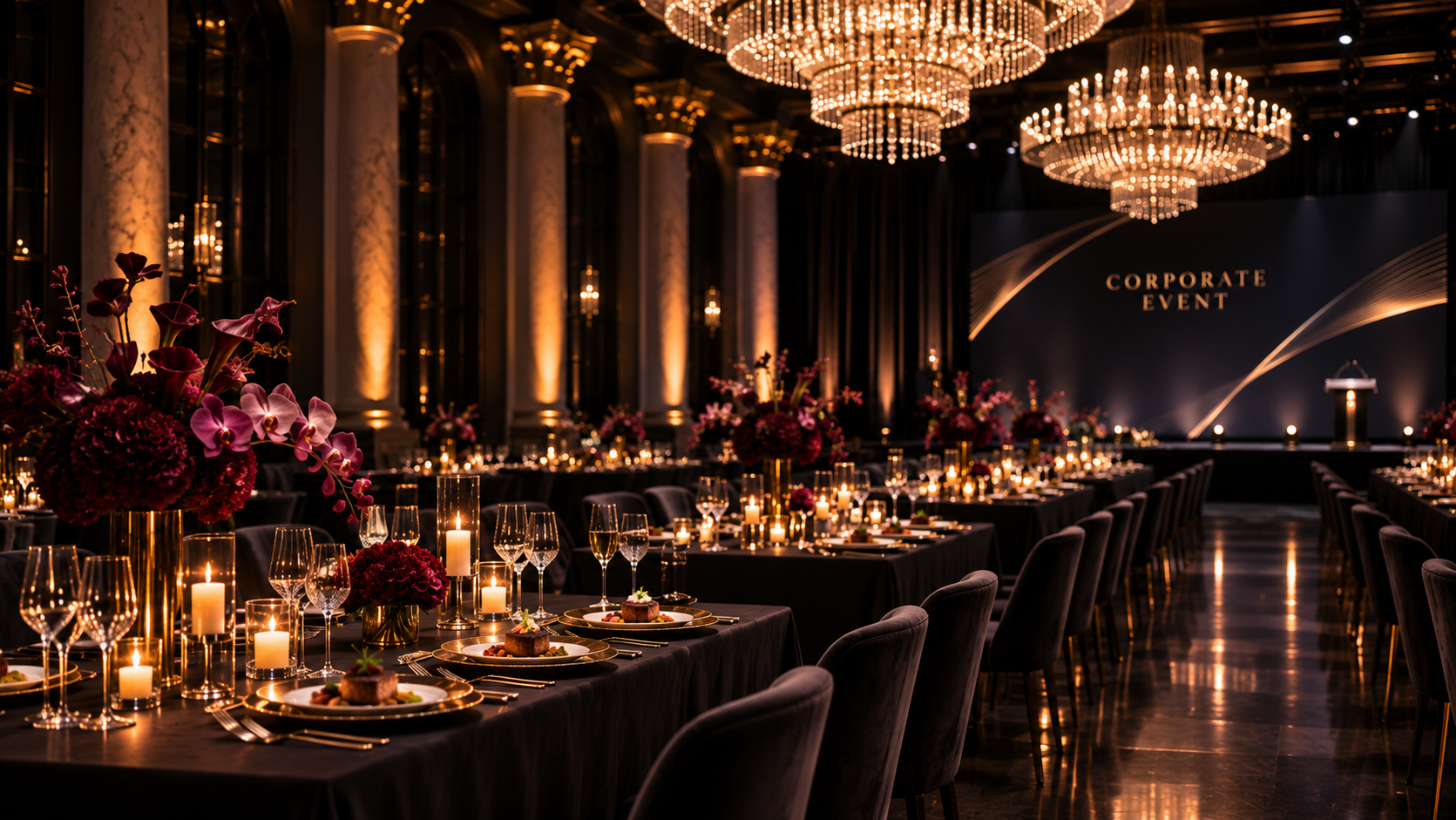
Six to twelve guests; equalizes the table and keeps everyone in view.
Long banquet
Formal, rectangular; host at the center, pairs across for easy talk.
U-shape
Hybrid of dinner and meeting; suits dinners with a brief program.
Planning Tips
From the host's brief
Cap the guest list to the table, over-seating ruins the room.
Place the guest of honor opposite the host, never at the end.
Agree the pace in advance; a quiet table is a briefed table.
Arrange a private car for senior guests at evening's end, and consider a Manhattan venue near their lodging to ease the close.
A host's final checklist
- Hold the date early; the best private dining rooms in NYC book months ahead.
- Brief the kitchen on the pacing before the first guest sits down.
- Confirm the seating plan against the conversation you want, not the hierarchy.
- Walk the room at the hour of your dinner to judge light and acoustics.
Before you sign
Confirm the course timing, the staffing ratio, and the private entrance in the contract. The dinner's rhythm is protected in writing, not at the table.
The Considered Table, In Depth
Choosing an executive dinner venue in New York City
An executive dinner is the most relational format in corporate entertaining, and the venue that hosts it must serve conversation above all. This section breaks down what makes a New York room right for a considered executive dinner, from the acoustic profile to the seating that lets talk carry.
The room that serves conversation
The executive dinner venue is chosen for conversation, not for spectacle. The room must hold a long evening without strain, which means an acoustic profile that lets talk carry without raising the voice, lighting that flatters without exposing, and a scale that feels intimate at the guest count rather than thin or crowded. A room that fails any of these will betray the dinner no matter how good the menu.
The single most overlooked quality is acoustics. A beautiful room with a hard acoustic floor will force the table to choose between hearing the person across from them and the person beside them, and an executive dinner that cannot hold conversation has failed its purpose. Walk the room and listen before you book it.
- Choose the room for conversation, not for spectacle.
- An acoustic profile that lets talk carry is the most overlooked quality.
- Lighting should flatter without exposing; scale should feel intimate at the count.
- Walk the room and listen before you book; a hard acoustic floor betrays the dinner.
The private dining room above a kitchen
New York's celebrated kitchens often hold private dining rooms above or beside them, and these are the natural home of the executive dinner. The standard of the food is assured, the room is purpose-built for a seated meal, and the staff are fluent in the choreography of formal service. Confirm the room's privacy and its acoustic separation from the main dining room.
Seating for the conversation that matters
Seat for conversation, not for hierarchy. The guest of honor sits where the conversation lives, opposite the host, within easy reach of the people they came to meet. A table arranged for precedence and against talk is a table that fails its purpose, and the seating plan is the single decision that most shapes whether the dinner builds the relationship it was held to build.
Round tables of eight to ten hold conversation well; a single long banquet table holds formality but narrows the talk to one's immediate neighbors. For a dinner of twelve to twenty, a single round or a shallow U-shape often serves better than a long rectangle, because it lets the host reach every guest and lets every guest reach the guest of honor.
- Seat for conversation, not for hierarchy; the guest of honor sits where talk lives.
- Round tables of eight to ten hold conversation well.
- A shallow U-shape lets the host reach every guest at smaller counts.
- The seating plan is the single decision that most shapes the dinner's purpose.
Pacing and Service
Pacing the executive dinner with the kitchen
The dinner's pace is set in advance, with the kitchen, not at the table. A dinner that drags is a dinner that was not briefed; a dinner that moves is one whose host agreed the timing beforehand and trusted the staff to hold it. This section sets out the pacing that lets an executive dinner breathe.
Agreeing the tempo in advance
The host sets the tempo, and the tempo is agreed with the kitchen before the first guest arrives. The arrival window, the length of the reception, the pace of each course, and the close are each a decision made in the brief and held by the staff. A dinner whose host is watching the clock has given the evening away; a dinner whose host is watching the room has held it.
Brief the kitchen on the close as deliberately as the open. The dinner's finish is its last impression, and a composed close, a final round, a private car, a note the next morning, is what the guests carry with them. A dinner that ends abruptly or drags past its welcome undoes the work of the evening.
- Agree the tempo with the kitchen before the first guest arrives.
- Brief the close as deliberately as the open; the finish is the last impression.
- A host watching the clock has given the evening away; one watching the room has held it.
- A composed close, a final round, a private car, a morning note, is what guests carry.
Service that is present without intrusion
The service standard at an executive dinner is presence without intrusion. The staff should anticipate rather than react, the pour that appears before the glass is empty, the course that arrives when the table is ready rather than when the kitchen is. This is the standard the guest feels only in its absence, and it is the quality that separates the considered venue from the merely expensive one.
Confirm the staffing ratio at the proposal stage. A ratio that is too thin will produce reactive service; one that is too dense will produce intrusive service. The right ratio lets the staff anticipate without crowding, and it is the question a venue that hosts executive dinners regularly will answer without hesitation.
- Service should anticipate rather than react; presence without intrusion.
- The pour before the glass is empty, the course when the table is ready.
- Confirm the staffing ratio at the proposal stage.
- A venue fluent in executive dinners will answer the ratio question without hesitation.
Frequently Asked Questions
Executive Dinner Venues, NYC, questions executive hosts ask
The detail that distinguishes a considered occasion from a routine one. These are the questions our advisors are asked most often.
Still planning your occasion? Request a private event proposal.
Continue Reading
Related event types & guides
Begin the Conversation
Request a Private Event Proposal
Tell us about the occasion, the guest of honor, and the impression you intend to make. We will respond with considered guidance on venue selection, hospitality, and the sequence of a luxury corporate event.