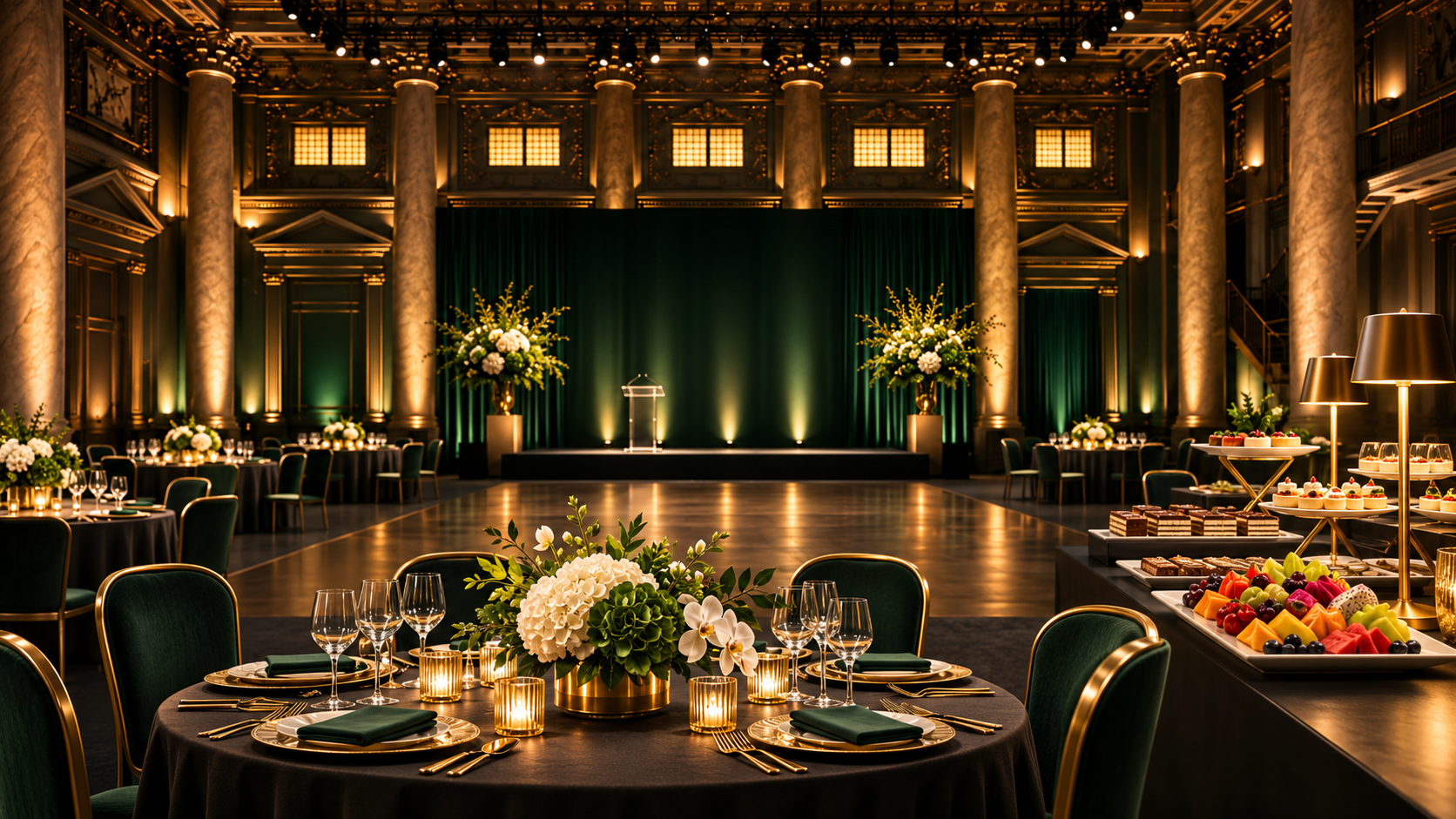
The unspoken rules that separate a dinner that builds trust from one that merely feeds people, pacing, seating, and the host's attention.
The Etiquette of the Executive Dinner
An executive dinner succeeds or fails on etiquette more than menu. The food can be excellent and the room beautiful, and the evening still flat, if the host treats it as a meal rather than a relationship. The rules below are the ones that matter.
Pace the room. The host sets the tempo, and the tempo is set in advance, with the kitchen, not at the table. A dinner that drags is a dinner that was not briefed; a dinner that moves is one whose host agreed the timing beforehand and trusted the staff to hold it.
Seat for conversation, not for hierarchy. The guest of honor sits where the conversation lives, opposite the host, within easy reach of the people they came to meet. A table arranged for precedence and against talk is a table that fails its purpose.
The host's attention is the evening's currency. A host who is present, watching the room, drawing in the quiet guest, releasing the talkative, turns a meal into an occasion. A host who is distracted, however good the food, has given the evening away.
End well. The dinner's close is its last impression: a composed finish, a private car, a note the next morning. The guests who leave feeling looked after are the guests who return the invitation.
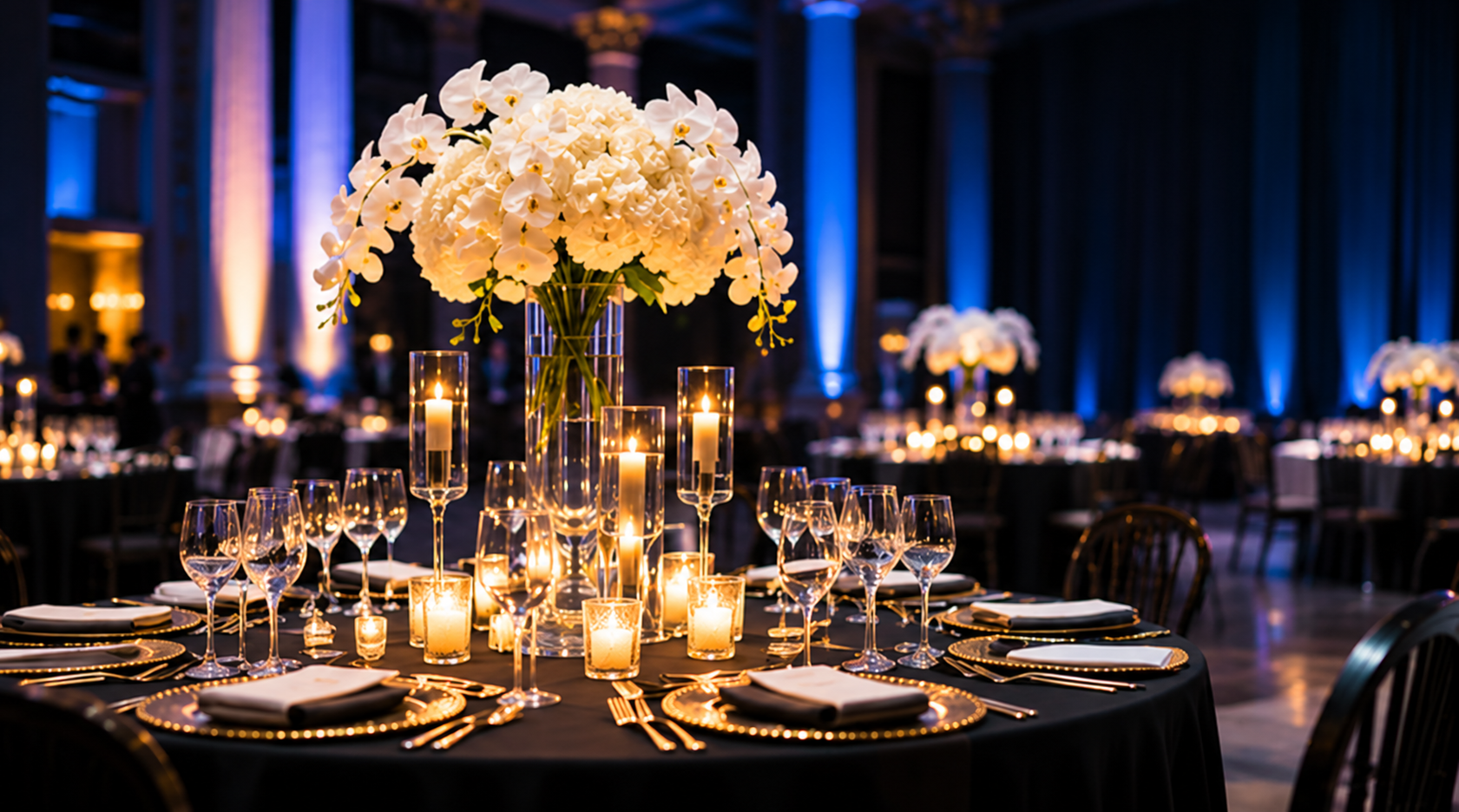
The essentials, in brief
- Treat the dinner as a relationship to conduct, not a meal to serve.
- Seat the guest of honor opposite the host, within reach of the right people.
- Set the tempo in advance with the kitchen, never at the table.
- Close the evening decisively and follow it with a morning-after note.
A closing note
An executive dinner succeeds on etiquette more than menu. Hold the room's tempo, seat for conversation, and the evening builds the trust it exists to build.
The table as a relationship, not a meal
An executive dinner is a relationship conducted across a table, and the table is the instrument through which the relationship is built. The menu, the room, and the service are the means; the trust between host and guest is the end. When the host treats the dinner as a meal to be served rather than a relationship to be conducted, the evening flattens regardless of the quality on the plate.
This is the distinction that separates the executive dinner from a social one. A social dinner may reward the food; an executive one rewards the conversation. The host's job is to make the conversation possible, and every decision, from the seating to the pacing to the close, is in service of that single aim.
- Treat the dinner as a relationship, not a meal to be served.
- The menu and the room are the means; the trust is the end.
- An executive dinner rewards conversation; a social one rewards the food.
- Every decision should serve the conversation the dinner exists to enable.
Seating as the host's first decision
Seating is where the host's intention becomes visible. The guest of honor opposite the host, the right neighbors within reach, the difficult guest placed where their tendencies do the least harm: each is a decision that shapes the evening more than the menu does. A table seated for precedence and against talk fails its purpose.
For a round table, the geometry equalizes and the host's attention can reach every guest; for a banquet, alternate hosts and guests so no one sits beside their own. The principle is constant: seat for the conversation you want, then adjust for protocol, never the reverse.
- Seating is where the host's intention becomes visible to the room.
- Seat the guest of honor opposite the host, within reach of the right people.
- For a banquet, alternate hosts and guests so no one sits beside their own.
- Seat for the conversation you want, then adjust for protocol.
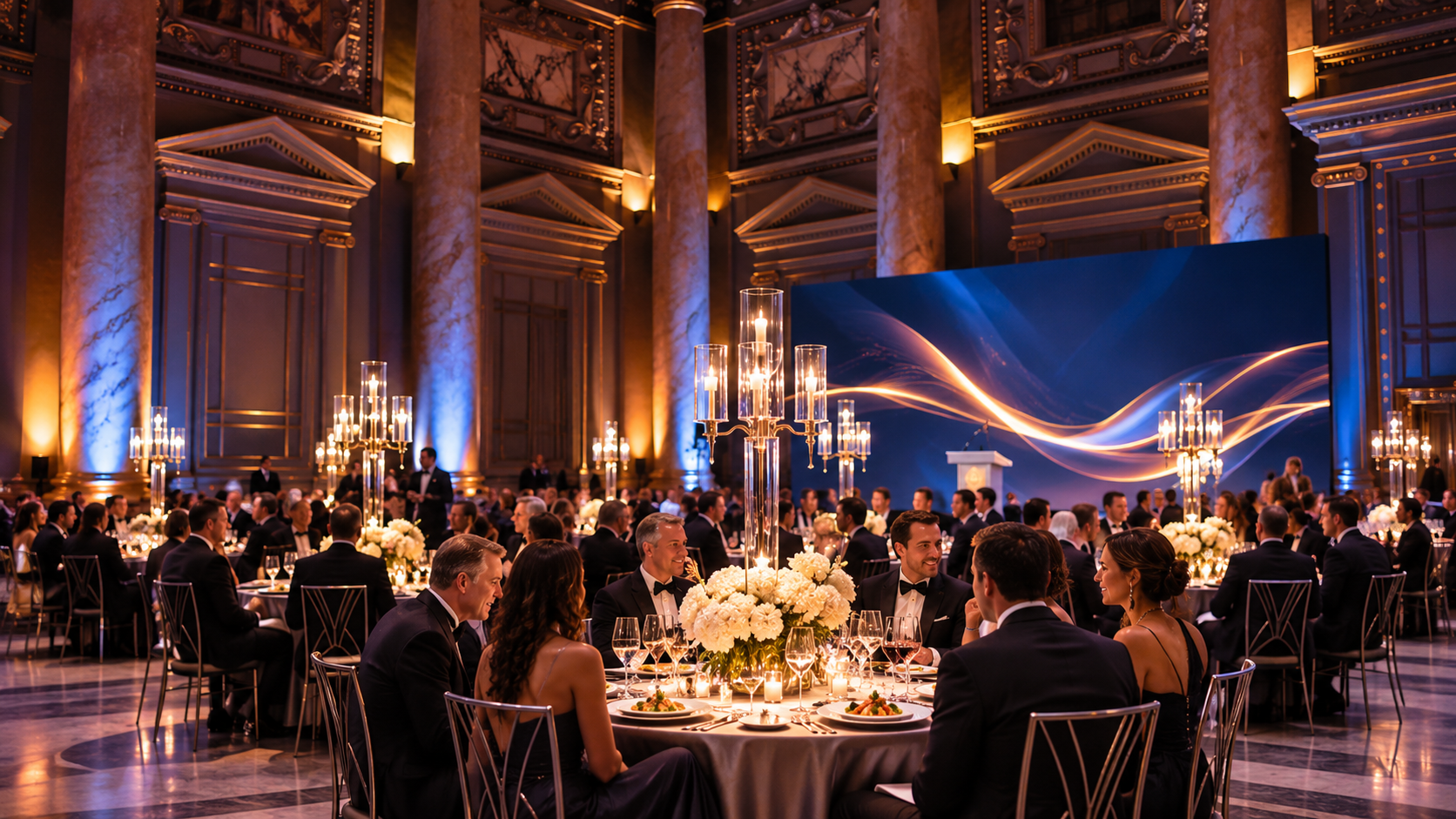
The host's tempo and the kitchen's clock
The tempo of an executive dinner is set in advance with the kitchen, not negotiated at the table. The host agrees the timing of courses, briefs the captain to hold it, and trusts the staff to maintain it through the evening. A dinner that drags was not briefed; one that moves was.
The host signals the kitchen discreetly through the night, advancing a course when the conversation at a table has run its course, holding one when a conversation is building. This is the choreography the host and the captain share, and it is what lets a long dinner feel brisk rather than endless.
- Set the tempo in advance with the kitchen, never at the table.
- Brief the captain to pace the kitchen to the conversation, not the clock.
- Signal courses discreetly as conversations build or run their course.
- A dinner that drags was not briefed; one that moves was.
The close as the evening's last word
An executive dinner ends decisively, not by winding down. A composed close, signaled through the service rather than announced to the room, lets the occasion land rather than dissolve. The guests who leave at the right moment, feeling the evening complete, are the guests who remember it well.
The morning-after note is the close that follows the close. For the guest of honor, a personal line that references the conversation confirms that the host's attention did not end at the door. The guests who feel looked after the next morning are the guests who return the invitation.
- End the dinner decisively, not by winding down.
- Signal the close through the service, not through the guests.
- The morning-after note is the close that follows the close.
- Guests who feel looked after the next morning return the invitation.