The Gesture of Thanks
Client Appreciation Event Venues, NYC
Designing a client appreciation event that expresses genuine gratitude through setting, scale, and thoughtfulness.
Client appreciation is the rare corporate event where the motive is genuinely relational. The venue should communicate that the client is the point, not the company's reach, not its brand, not its size, a distinction the investor appreciation events format carries into the capital relationship.
That means restraint in the obvious places and generosity in the personal ones: a smaller, better room; a handwritten note; a moment that names the client rather than the host. Scale is the first decision and the most telling, and the VIP guest experience guide frames the personalization that follows.
The Audience
Advisory firms, agencies, and family offices thanking their most valued clients with a considered, personal gesture.
Discuss This Event TypeIdeal Ambiance
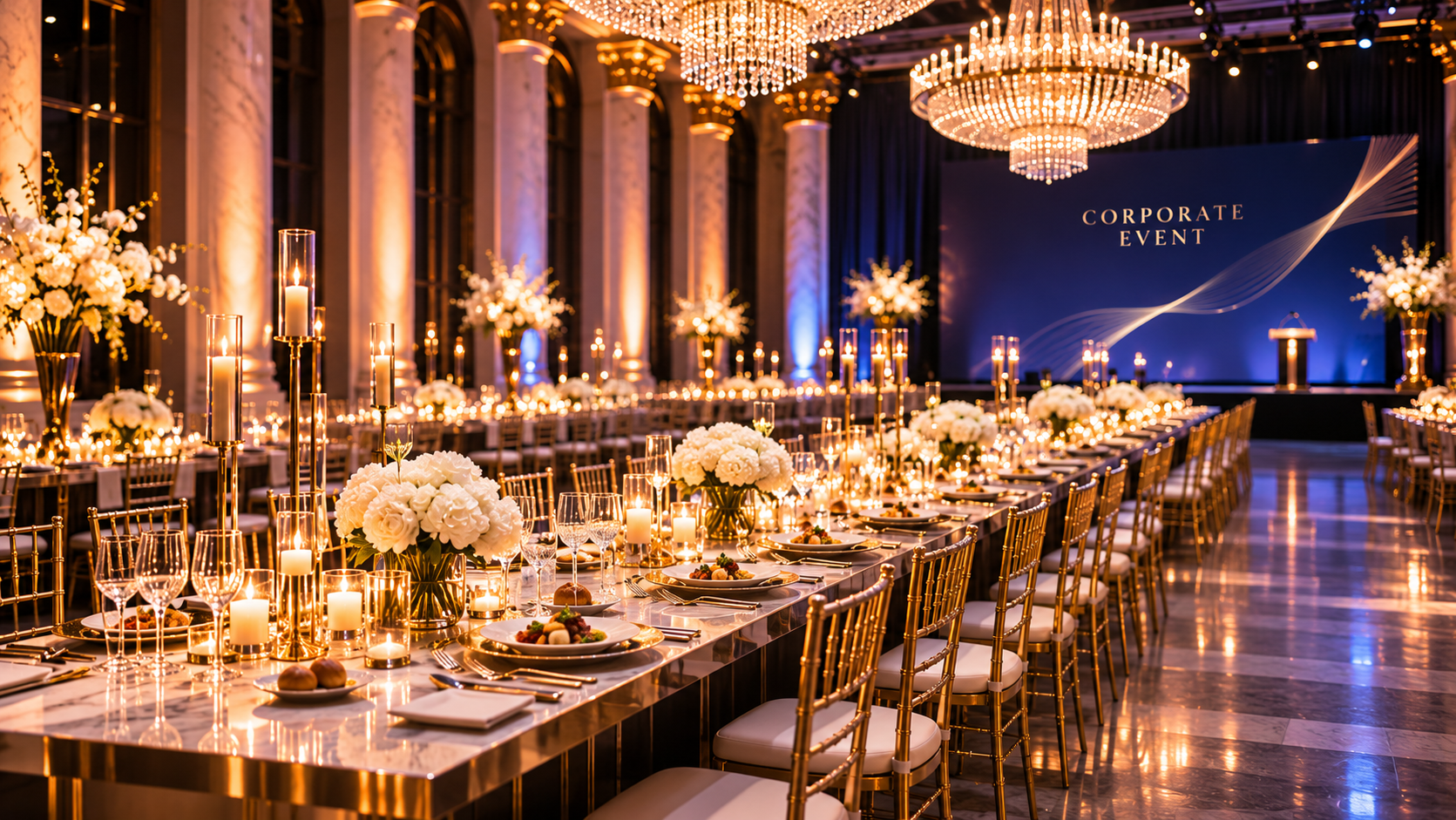
Intimate and warm. A room that feels chosen rather than booked, with personal touches that signal attention rather than budget.
Hospitality Needs
What the room owes the guest
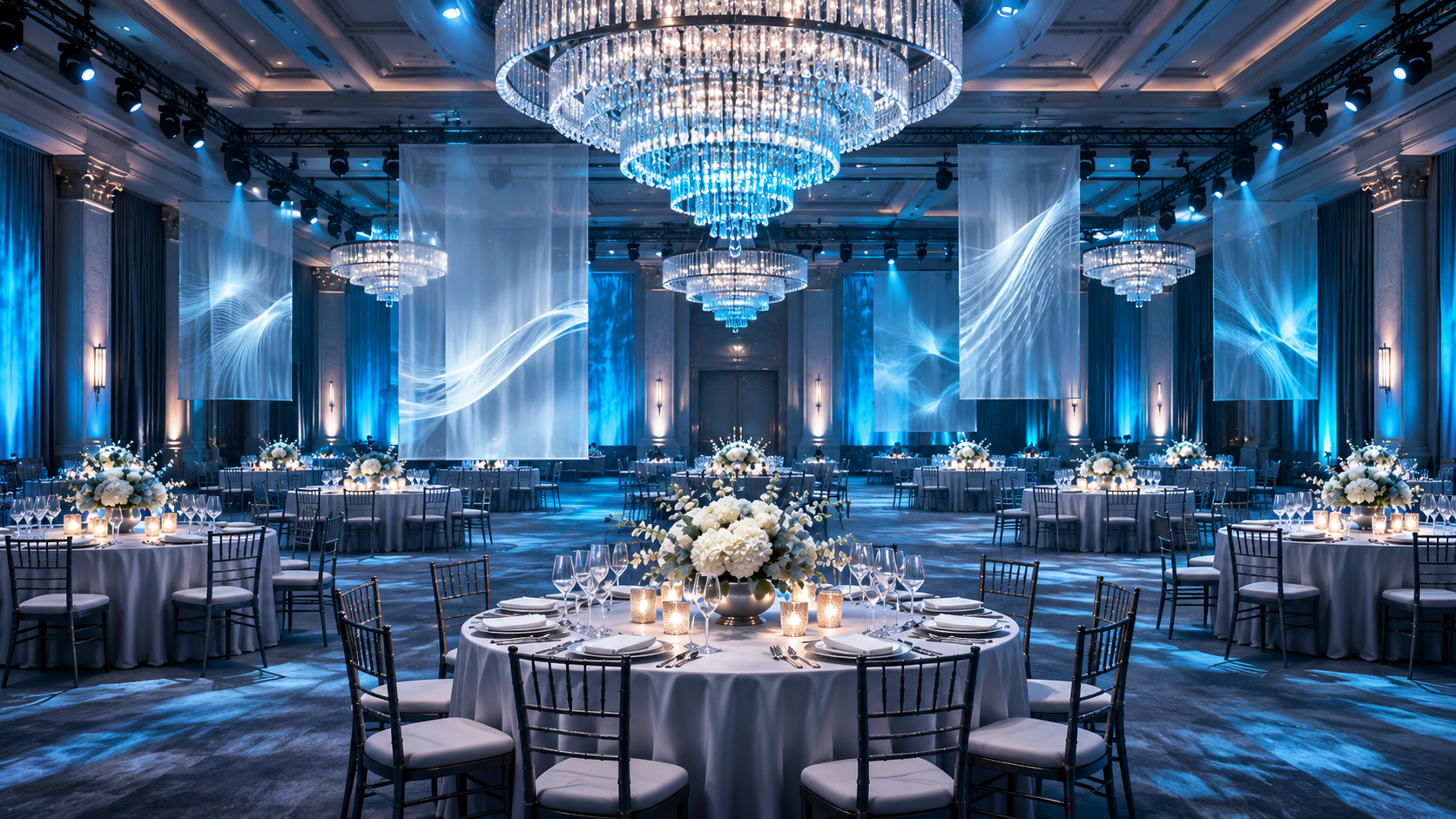
- Personalized greeting by name at arrival.
- A brief, sincere welcome, never a sales moment.
- Customized elements: a preferred vendor, a guest's favourite dish.
- A considered parting gift or note.
Guest Experience
The impression that lasts
- A guest list that lets the host speak with every client.
- Comfortable seating and a relaxed pace.
- Moments that acknowledge specific relationships.
Privacy Requirements
Discretion by design
Private or semi-private space where clients can relax among peers. Discretion signals respect; a shared public room signals the opposite, which is why the exclusive corporate event spaces guide treats exclusivity as a contractual achievement.
Catering Considerations
The menu in service
Quality over abundance. A short, excellent menu with attention to the client's preferences signals thought more reliably than variety, the same restraint the formal dinner planning guide guide applies to the seated occasion.
Seating Formats
Formats that suit the occasion
Small seated
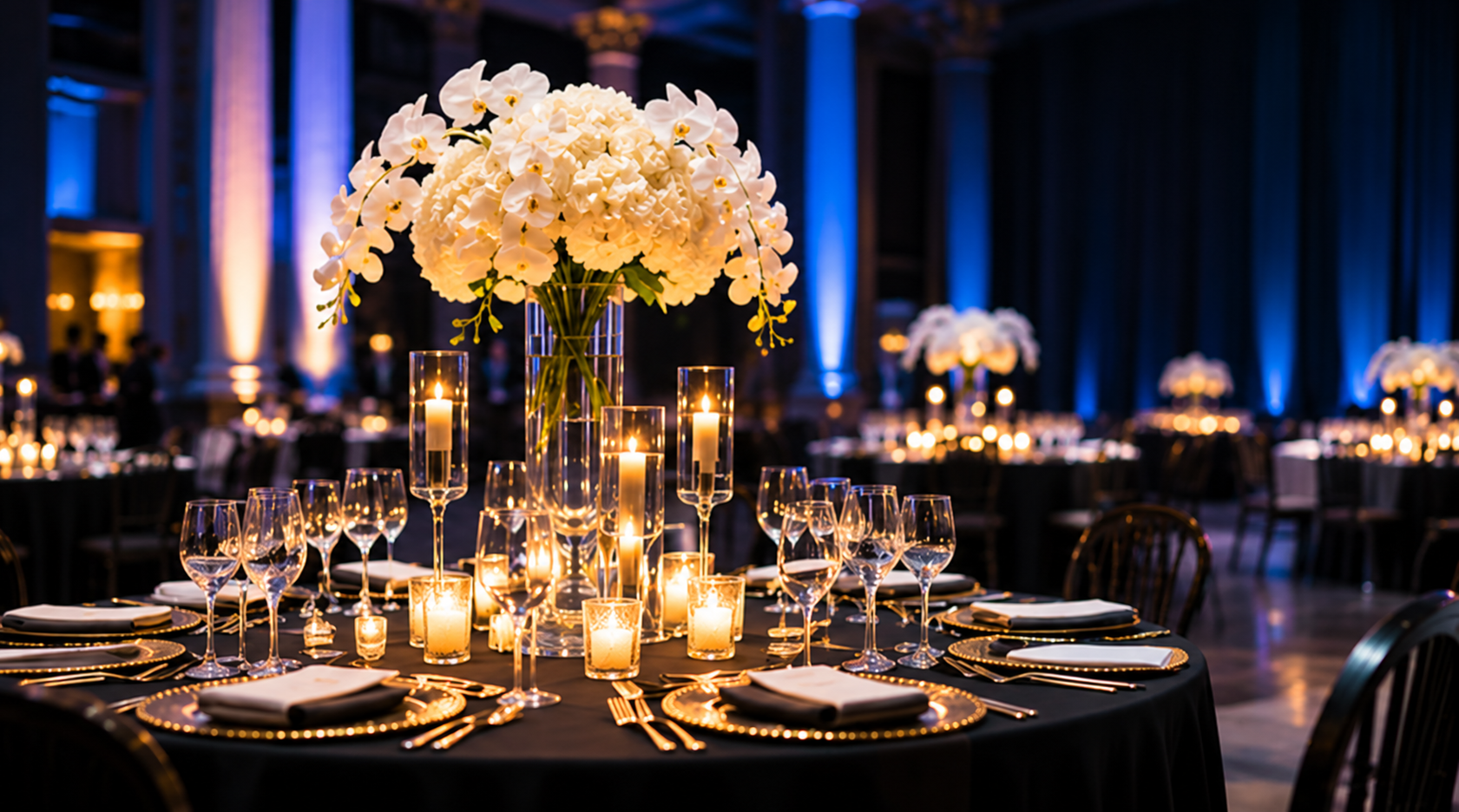
Twelve to twenty for genuine conversation.
Cocktail
For larger lists; keep it elegant and uncrowded.
Tasting
A multi-course pairing for a select group of clients.
Planning Tips
From the host's brief
Keep the guest list to the people you can genuinely thank.
Avoid co-branding and sponsor messaging; the client is the brand.
Handwrite the notes, they outlast the evening.
Match the venue's tone to the client's, not your firm's.
A host's final checklist
- Hold the date early; client appreciation events cluster in the same season.
- Brief the venue on the guest list so discretion and hospitality are briefed together.
- Confirm the format against the relationship you are honoring, not the spectacle.
- Walk the space at the hour of your event to judge light and welcome.
Before you sign
Confirm exclusivity, the staffing ratio, and the guest experience in writing. The occasion that thanks a client is protected by the same terms as any luxury event.
Gratitude Made Tangible, In Depth
Choosing a venue to honor a client in New York City
A client appreciation event is the format where gratitude is made tangible, and the venue that hosts it must communicate consideration without ostentation. This section breaks down what makes a New York room right for honoring a client, from the personalization that makes the guest feel seen to the pacing that lets the relationship breathe.
Personalization as the gesture
The defining quality of a client appreciation event is personalization, the detail that makes the guest feel seen rather than included. The venue should support that personalization, which means a room that can be shaped to the client, a menu that reflects their preferences, and a sequence of details that reads as chosen for them rather than produced for a list. The single considered gesture outperforms a room of production in this format more than any other.
Brief the venue on the client before you request a proposal. The client's preferences, their history with the host, and the relationship the evening is held to honor are each a detail that shapes the room, the menu, and the tone. A venue that understands the client will shape its offer to them; one that does not will shape it to its default.
- Personalization is the defining quality; the venue must support it.
- The room, the menu, and the sequence should read as chosen for the client, not a list.
- The single considered gesture outperforms a room of production in this format.
- Brief the venue on the client before requesting a proposal.
The menu that reflects the client
A menu that reflects the client's preferences, their region, their history, is the gesture that the guest carries forward. It need not be elaborate; it need only be considered. A venue that will work with the host to shape the menu to the client is one that understands the format; one that offers only its standard menu does not.
Pacing that lets the relationship breathe
The pacing of a client appreciation event should let the relationship breathe rather than fill every moment with program. A long reception, a considered dinner, and time for the conversation that matters are the structure that serves the format. A packed agenda, however well-intentioned, prevents the talk that the evening is held to enable.
Plan the close as deliberately as the open. The client's departure is the evening's last impression, and a composed finish, a token that recalls the evening, and a note the next morning are the gestures that complete the gratitude. The venue's role is to support the close without rushing it, holding the room until the client is ready to leave.
- The pacing should let the relationship breathe rather than fill every moment with program.
- A long reception, a considered dinner, and time for talk serve the format.
- A packed agenda prevents the conversation the evening is held to enable.
- Plan the close as deliberately as the open; the departure is the last impression.
The Guest of Honor
Designing the client's experience at an appreciation event
The client is the guest of honor at an appreciation event, and their experience is the measure of the evening. This section sets out the sequence a considered host plans to make the client feel seen without exposing them.
The client's arrival and seat
The client's arrival should be the most considered moment of the evening. A greeting that acknowledges the relationship, a seat that places them at the center of the conversation, and a sequence of details that reads as chosen for them are the marks of an appreciation event that has been planned rather than produced. The client should never feel that the evening is about the host.
Seat the client where the conversation lives, opposite the host, within reach of the people they most want to meet. A table arranged for the client's comfort and conversation, rather than for the host's convenience, is the seating that serves the format. The seating plan is the single decision that most shapes whether the client feels honored or merely included.
- The client's arrival should be the most considered moment of the evening.
- A greeting, a seat, and a sequence of details read as chosen for the client.
- The client should never feel the evening is about the host.
- Seat the client where the conversation lives, opposite the host.
The token and the follow-through
A token that recalls the evening, given at the close, is the gesture that completes the gratitude. It need not be elaborate; it need only be considered and personal. A note the next morning, referencing a moment of the evening, is the follow-through that converts the occasion into a relationship that endures.
The token and the note are the details most often omitted, which is why the host who remembers them stands apart. They cost little and they carry far, and they are the marks of an appreciation event that has been planned end to end rather than produced and forgotten.
- A token that recalls the evening, given at the close, completes the gratitude.
- The token need not be elaborate; it need only be considered and personal.
- A morning note referencing a moment of the evening converts the occasion into a relationship.
- The token and the note are the details most often omitted, and the most remembered.
Frequently Asked Questions
Client Appreciation Event Venues, NYC, questions executive hosts ask
The detail that distinguishes a considered occasion from a routine one. These are the questions our advisors are asked most often.
Still planning your occasion? Request a private event proposal.
Continue Reading
Related event types & guides
Begin the Conversation
Request a Private Event Proposal
Tell us about the occasion, the guest of honor, and the impression you intend to make. We will respond with considered guidance on venue selection, hospitality, and the sequence of a luxury corporate event.